
Motor Symptoms and Diagnosis:
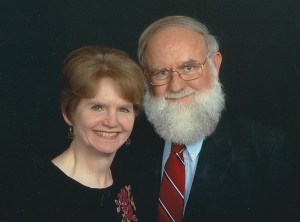
George was diagnosed with Parkinson’s Disease in January of 2009. The first noticeable symptom was tremors. Other motor symptoms (which appeared later) included
- Slowness of Movement,
- Muscle rigidity, and
- Trouble with Balance
Initially, his primary care physician said he had “essential tremor,” but we feared that it was Parkinson’s because his father had also suffered from it and there is a strong genetic predisposition. It took three months to get an appointment with a general neurologist who confirmed the diagnosis. Sadly, there is no clear screening or blood test to diagnose it: rather, the physician must do a clinical diagnosis. This consisted of basically just watching him walk across the room.
Non-Motor Symptoms:
George’s non-motor symptoms were more subtle. Initially, he experienced insomnia, but we knew he had sleep apnea, so it was difficult to make that connection. He had also experienced some anxiety and depression at times before the Parkinson’s diagnosis. Again, we could not have anticipated that connection. Over time, other non-motor symptoms appeared, and they are quite common in people with Parkinson’s. Now, nine years after his initial diagnosis, he has experienced all of the following in various degrees.
- Constipation
- Anxiety and depression
- Loss of mental sharpness
- Drooling
- Insomnia and vivid dreams
- Sexual dysfunction
- Sweating and body aches
- Vision problems and dizziness
- HALLUCINATIONS AND DELUSIONS
Interestingly, another non-motor symptom of Parkinson’s is the loss of smell, which may occur many years before any other symptom (motor or non-motor) and for George it is quite noticeable now. One of the worst things about it is that it can affect taste which diminishes appetite.
In Summary:
Researchers and physicians agree that with our aging population of baby boomers (who are living longer than any other generation before them), it is likely that more and more people will be diagnosed with Parkinson’s. We hope for an early screening test that will pinpoint the loss of dopamine before gross motor and severe non-motor difficulties appear. If the lost dopamine can be restored, individuals can enjoy a better quality of life. Physicians now know that people do not die from Parkinson’s; rather, they live with it and will eventually succumb with another ailment.
 Perpetual Motion