
This page provides a sampling of my current vocal study. Visit here for updates!
Italian
Sento nel core (Sorrow unending) – Alessandro Scarlatti (1660-1725)
Idiomatic translation: In my heart I feel a certain pain which disturbs my peace.
Scarlatti’s music forms an important link between the early Baroque Italian vocal styles of the 17th century, with their centers in Florence, Venice and Rome, and the classical school of the 18th century. Scarlatti’s style, however, is more than a transitional element in Western music; like most of his Naples colleagues he shows an almost modern understanding of the psychology of modulation and also frequently makes use of the ever-changing phrase lengths so typical of the Napoli school.
French

Au Bord de l’Eau (At the Water’s Edge) – Gabriel Faure, Op. 8, No. 1
https://lyricstranslate.com/en/au-bord-de-leau-waters-edge.html#ixzz5C73EIctA
German
Du bist die ruh (You are rest and peace) – Franz Schubert, D. 776; Op. 59, No. 3. – is a Lied composed by Franz Schubert (1797-1828) in 1823. The text is from a set of poems by the German poet Friedrich Ruckert (1788-1866). The piece is in triple meter (3/8) and is marked larghetto (fairly slow) and pianissimo (very soft).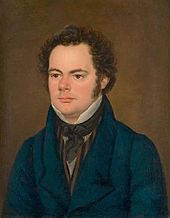
The simplicity of the melody makes this piece difficult to sing as it requires perfect legato and breath control. Any inconsistencies in the sound can disrupt the ‘peace’ of the poem. Schubert sets tender and gentle themes to Ruckert’s words, and the simplicity of the piano line further enhances the meaning of the text. The progression of the harmonies repeat with the bar form, always establishing the key of the piece. With a pianissimo and larghetto marking and the piano part light in texture, Schubert sets up the poem for the first few lines, “You are peace, the mild peace,” in the introduction.
 Perpetual Motion